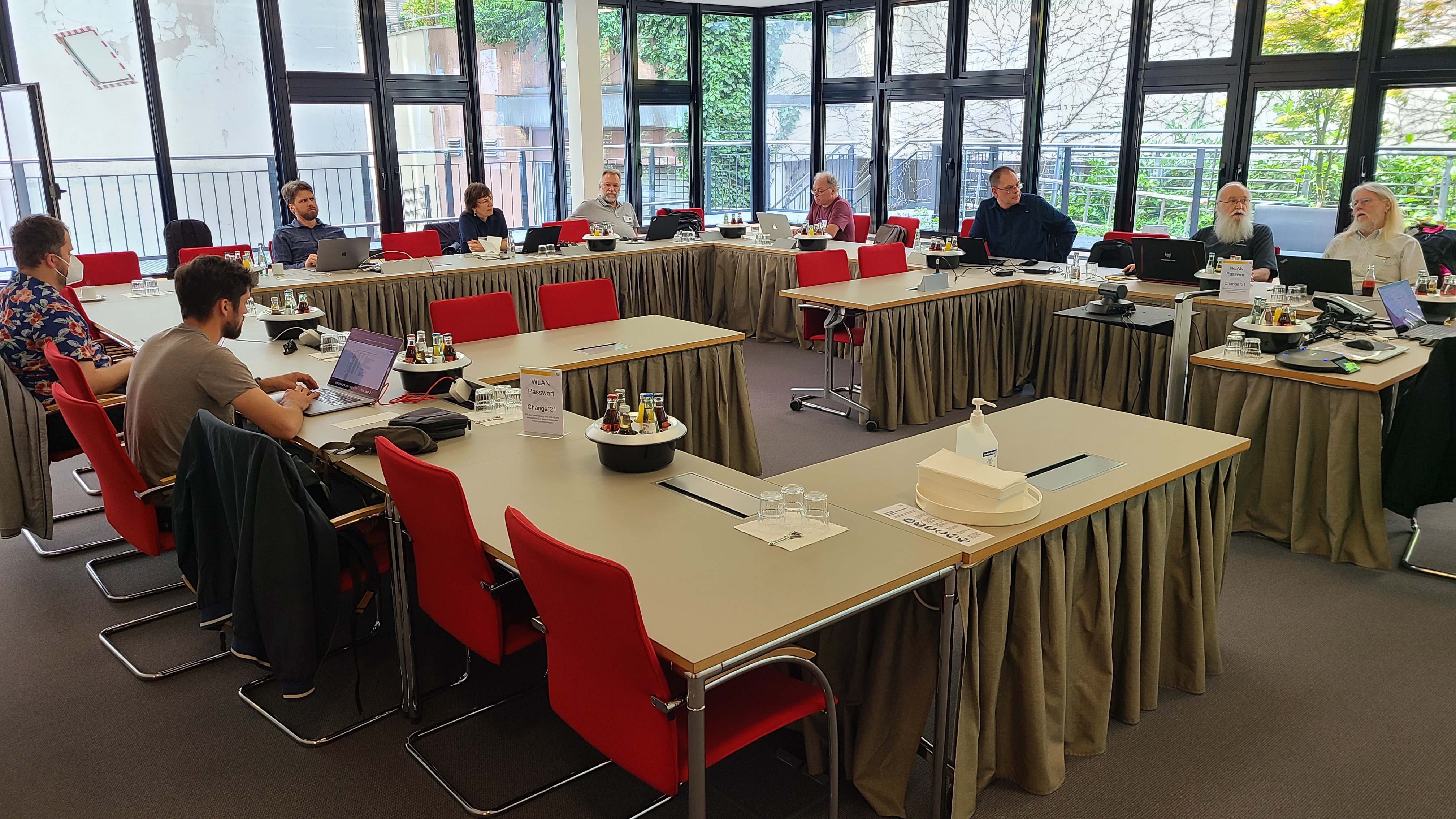
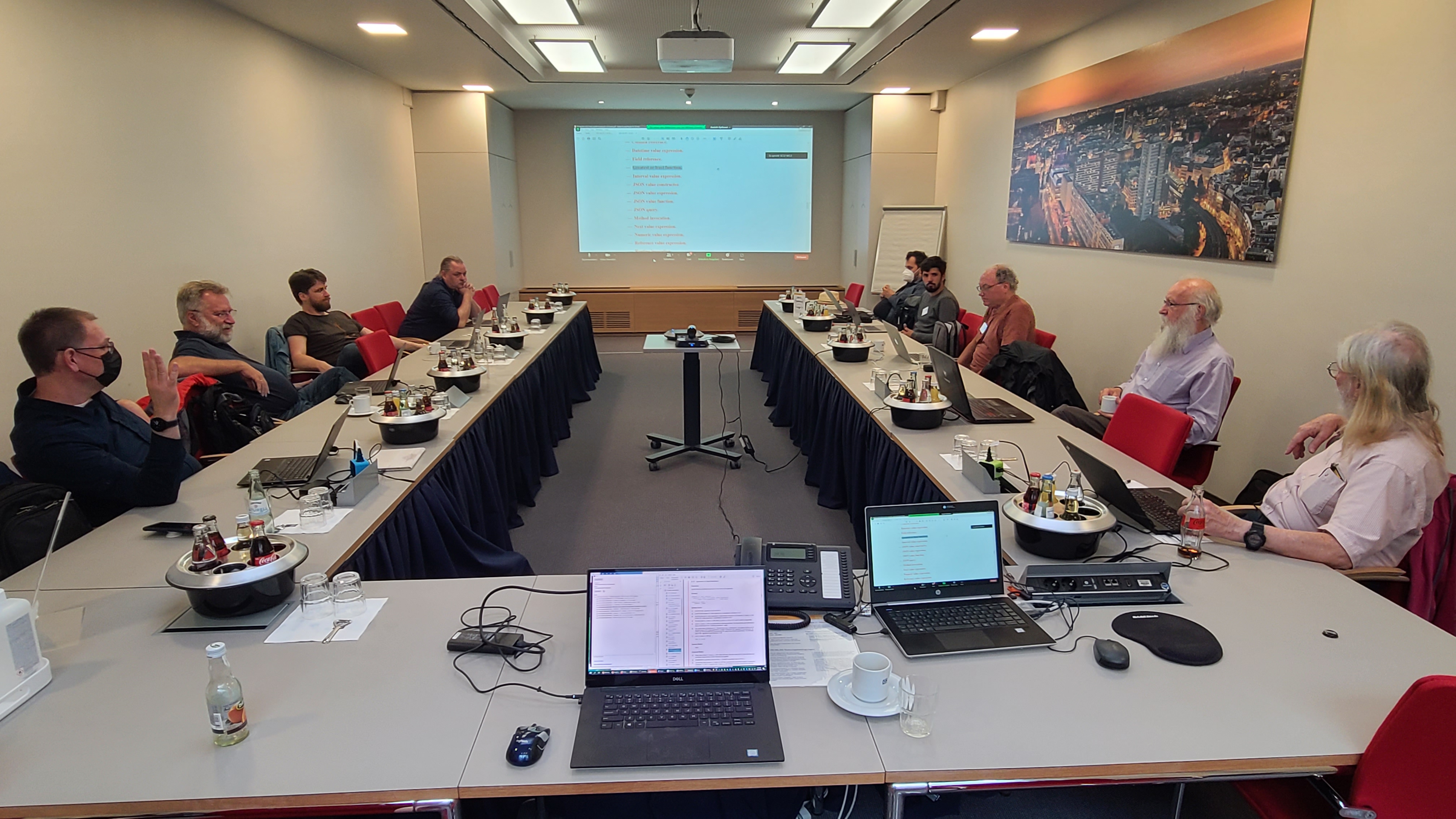
ISO members are “national bodies” (NB):
for JTC1 SC32:
(new part 16)
SELECT gt.creation_date, gt.content
FROM my_graph GRAPH_TABLE (
  MATCH
    (creator IS person WHERE creator.email = 'foo@example.com')
      -[ IS created ]->
    (m IS message)
      <-[ IS commented ]-
    (commenter IS person)
    WHERE creator.email <> commenter.email
    COLUMNS (m.creation_date, m.content)
) AS gt;
.bigint(), .boolean(), .timestamp() etc.)SELECT jsoncol.field.field ...)UNIQUE NULLS NOT DISTINCT)CREATE TABLE t1 (x varchar))GREATEST, LEAST; LPAD, RPAD; LTRIM, RTRIM, BTRIMANY_VALUE0xFFFF, 0o750, 0b101111)1_000_000, 0x_FFFF_FFFF| SC32/WG3 | PostgreSQL |
|---|---|
| working draft (WD) | Git HEAD |
| committee draft (CD) | beta |
| draft internal standard (DIS) | release candidate |
| WG3 | hackers |
| SC32 | PGCon developer meeting |
| change proposal paper | patch |
| meeting | commit fest |
| editor | committer |